Acamprol: Clinically Supported Aid for Alcohol Dependence Recovery
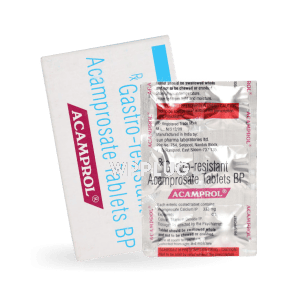
| Product dosage: 333 mg | |||
|---|---|---|---|
| Package (num) | Per pill | Price | Buy |
| 30 | $2.08 | $62.48 (0%) | 🛒 Add to cart |
| 60 | $1.90 | $124.96 $113.88 (9%) | 🛒 Add to cart |
| 90 | $1.43 | $187.44 $128.99 (31%) | 🛒 Add to cart |
| 120 | $1.19 | $249.92 $143.10 (43%) | 🛒 Add to cart |
| 180 | $1.05
Best per pill | $374.89 $189.46 (49%) | 🛒 Add to cart |
Synonyms | |||
Acamprol (acamprosate calcium) is a prescription medication specifically formulated to support maintenance of abstinence in alcohol-dependent patients who have achieved initial withdrawal. It functions by helping to stabilize the chemical balance in the brain, which is often disrupted by chronic alcohol use. As an integral component of a comprehensive treatment plan that includes counseling and psychosocial support, Acamprol has demonstrated efficacy in reducing the risk of relapse. This review provides a detailed, evidence-based overview to inform healthcare professionals and patients considering this therapeutic option.
Features
- Active ingredient: Acamprosate calcium 333 mg enteric-coated tablets
- Mechanism: Modulates glutamate and GABA neurotransmitter systems
- Formulation: Delayed-release to ensure optimal gastrointestinal absorption
- Packaging: Available in blister packs of 180 tablets (standard one-month supply)
- Prescription status: Schedule IV controlled substance in some regions
- Manufacturer compliance: Produced under GMP standards
Benefits
- Supports prolonged abstinence from alcohol by reducing craving intensity
- Helps restore neurochemical balance disrupted by chronic alcohol consumption
- Non-addictive profile with no abuse potential when used as prescribed
- Compatible with most psychosocial interventions and support programs
- Demonstrated efficacy in multiple randomized controlled trials
- Suitable for long-term maintenance therapy when clinically indicated
Common use
Acamprol is primarily indicated for the maintenance of abstinence in alcohol-dependent patients as part of a comprehensive management program that includes psychosocial support. Treatment typically begins after the patient has achieved alcohol withdrawal (usually 5-7 days after last consumption). The medication is most effective when integrated with ongoing counseling, behavioral therapy, and participation in support groups. Clinical studies have shown particular benefit for patients with moderate to severe alcohol dependence who are motivated to maintain abstinence.
Dosage and direction
The recommended dosage of Acamprol for most adults is two 333 mg tablets taken three times daily (total daily dose 1998 mg). Patients with moderate renal impairment (creatinine clearance 30-50 mL/min) should receive one tablet three times daily. Administration should be with meals to enhance gastrointestinal tolerance, though food does not significantly affect absorption. Tablets should be swallowed whole without crushing or chewing to preserve the enteric coating. Treatment duration is typically individualized but often continues for 12 months or longer based on clinical response.
Precautions
Patients should be monitored for emergence of depression or suicidal ideation, particularly during early treatment. Renal function should be assessed before initiation and periodically during treatment. Use with caution in patients with history of depression or other psychiatric conditions. Pregnancy category C: should only be used if potential benefit justifies potential risk to fetus. Nursing mothers should discontinue either nursing or medication. Elderly patients may require dosage adjustment based on renal function.
Contraindications
Acamprol is contraindicated in patients with severe renal impairment (creatinine clearance ≤30 mL/min). It should not be used in patients with known hypersensitivity to acamprosate calcium or any component of the formulation. The medication is not indicated for the management of acute alcohol withdrawal symptoms. Concomitant use with other medications that significantly affect renal function may warrant additional contraindication considerations.
Possible side effects
Most common adverse reactions (≥5% incidence) include diarrhea, nausea, abdominal pain, pruritus, and various rash manifestations. Less frequently reported effects include anxiety, depression, insomnia, and asthenia. Generally, side effects are mild to moderate and often diminish with continued treatment. Serious but rare adverse events include suicidal ideation, severe allergic reactions, and clinically significant electrolyte imbalances. Patients should report any persistent or severe symptoms to their healthcare provider.
Drug interaction
No clinically significant pharmacokinetic interactions have been observed with antidepressants, anxiolytics, hypnotics, or non-opioid analgesics. Acamprol does not affect the metabolism of alcohol and does not produce disulfiram-like reactions when alcohol is consumed. However, theoretical potential exists for additive effects with other CNS depressants. Concomitant use with naltrexone may enhance treatment efficacy for some patients. Always inform healthcare providers of all medications being taken, including over-the-counter products.
Missed dose
If a dose is missed, it should be taken as soon as remembered unless it is nearly time for the next scheduled dose. In that case, skip the missed dose and resume the regular dosing schedule. Do not double the dose to make up for a missed administration. Maintaining consistent blood levels is important for optimal efficacy, so patients should be counseled on adherence strategies.
Overdose
Cases of overdose have been reported with doses up to 56 grams. Symptoms may include gastrointestinal distress (diarrhea, nausea) and electrolyte imbalances. No specific antidote exists; treatment should be symptomatic and supportive. Hemodialysis may be considered in severe cases, particularly in patients with renal impairment. Gastric lavage may be beneficial if performed shortly after ingestion. Patients suspected of overdose should seek immediate medical attention.
Storage
Store at room temperature (15-30°C or 59-86°F) in the original container. Protect from moisture and light. Keep tightly closed and out of reach of children. Do not use beyond the expiration date printed on packaging. Proper disposal of unused medication should follow local regulations, typically through medication take-back programs.
Disclaimer
This information is provided for educational purposes only and does not constitute medical advice. Acamprol is a prescription medication that should only be used under the supervision of a qualified healthcare professional. Individual results may vary. Always consult with a physician for diagnosis and treatment recommendations tailored to your specific medical condition.
Reviews
Clinical studies demonstrate that Acamprol significantly improves abstinence rates compared to placebo, with number needed to treat (NNT) of approximately 9 for maintaining complete abstinence over 6-12 months. Many patients report reduced alcohol craving within the first few weeks of treatment. Healthcare providers note that optimal outcomes occur when medication is combined with comprehensive psychosocial support. Some patients report gastrointestinal side effects initially, though these typically subside with continued use. Long-term users often describe Acamprol as an important component of their recovery maintenance strategy.